
Data-Driven Network Biology
Advancing Biology Through Deep Learning
We are the Data-Driven Network Biology Group at the University of Southampton. Our research uses deep learning and foundation models to understand cellular behavior from single-cell transcriptomics, predict responses to perturbations, and design therapeutic sequences for improved clinical outcomes.
Research Themes
Our research spans multiple areas of computational biology, from single-cell analysis to network biology.
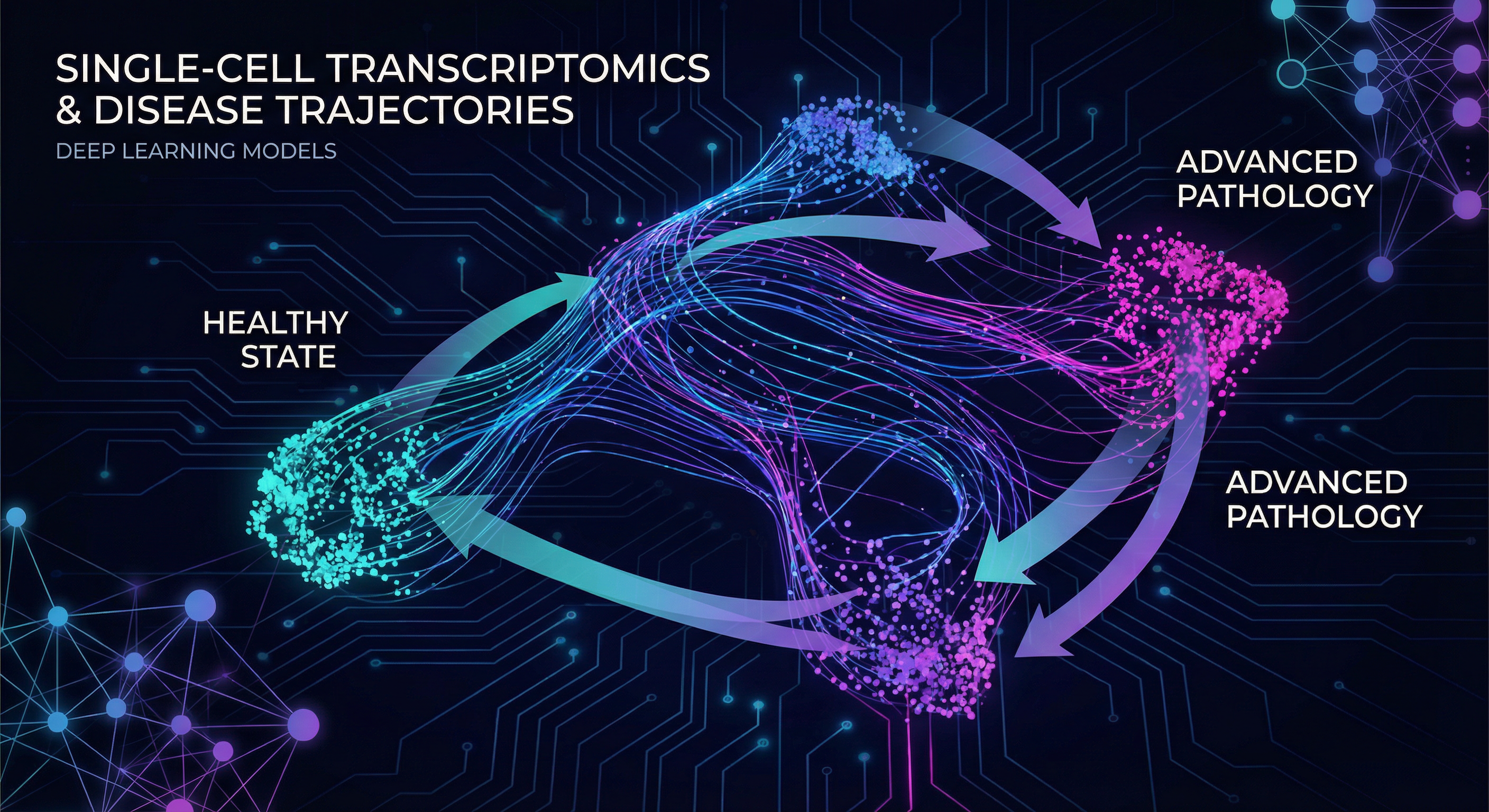
Single-Cell Transcriptomics & Disease Trajectories
Using deep learning to model single-cell gene expression profiles for understanding T cell exhaustion and disease progression.
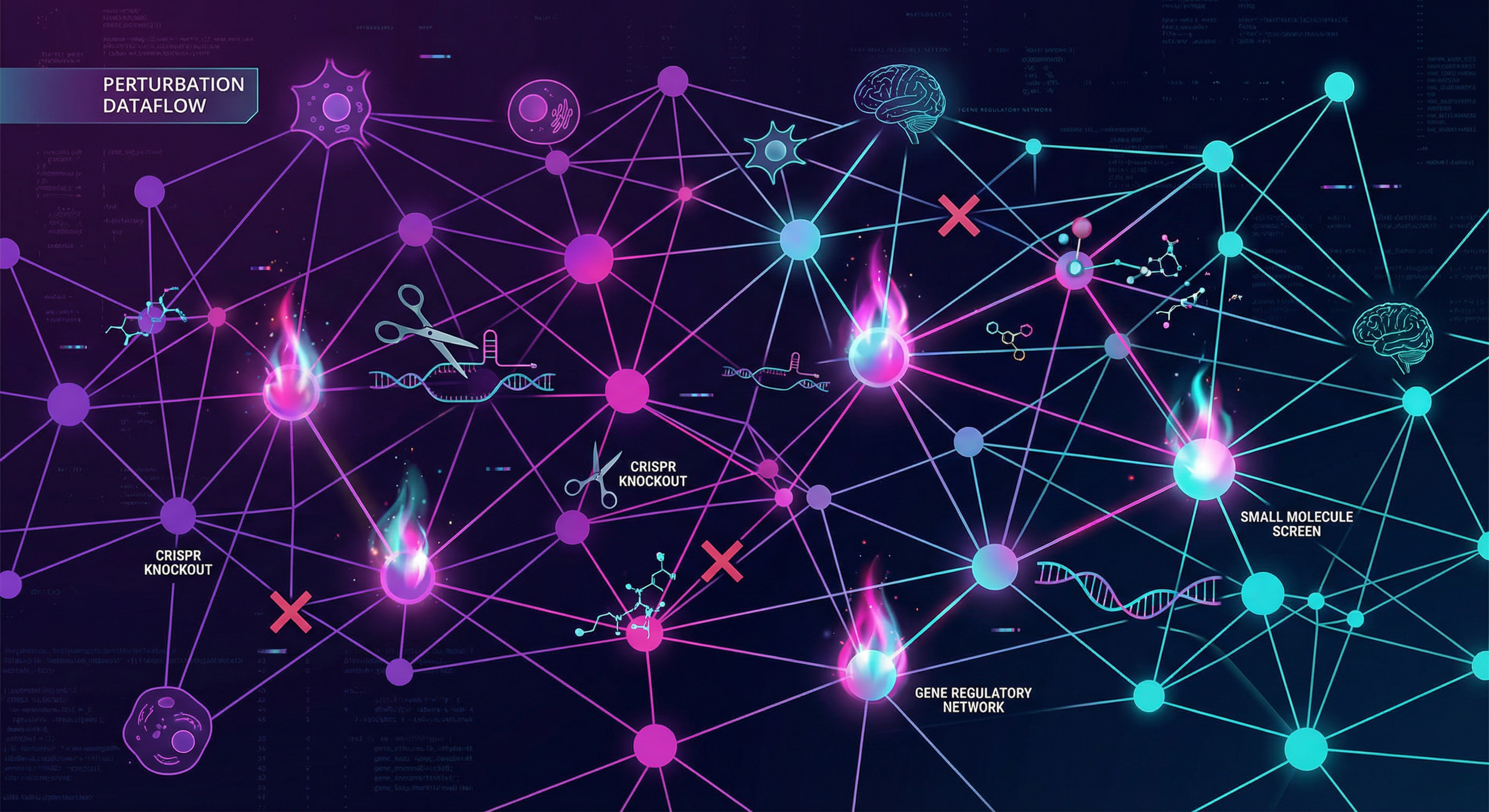
Single-Cell Perturbation Models
Developing and benchmarking foundation models for predicting cellular responses to genetic and chemical perturbations.
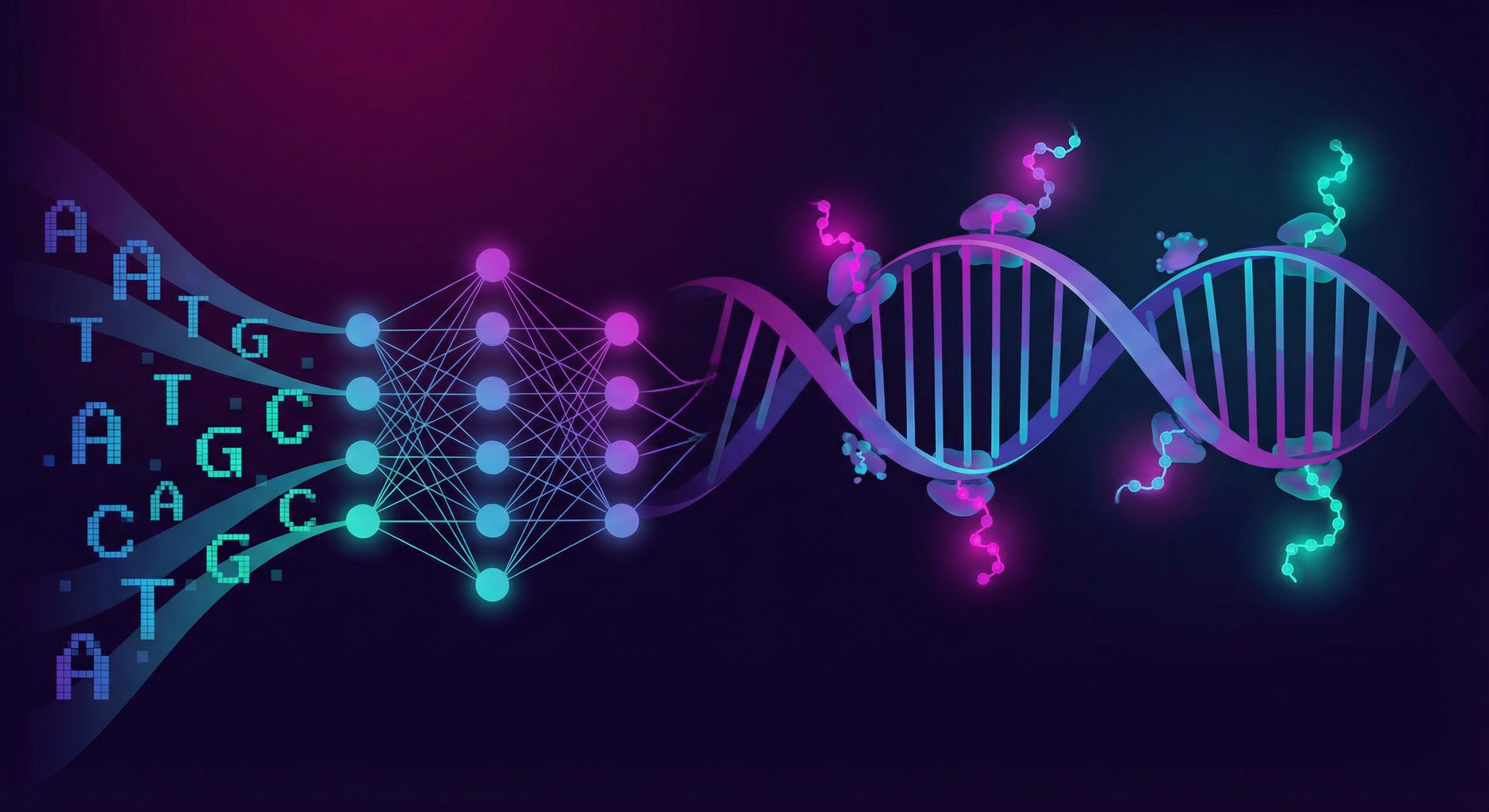
Translational Control & Sequence Models
Using genomic foundation models to identify sequence determinants of translational efficiency for rational mRNA design.
Meet Our Team
A diverse group of researchers passionate about advancing biology through data science.

Owen Rackham
Principal Investigator
"Understanding how genes and drugs can coordinate changes in cellular phenotypes."
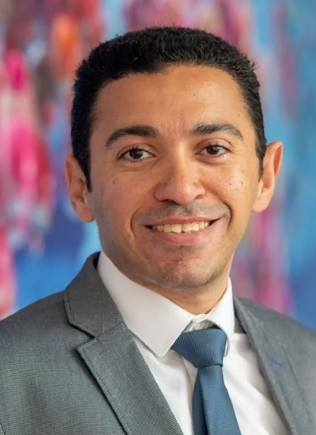
Ahmed Dawoud
Research Fellow in Computational Biology
"I study how age-related clonal haematopoiesis influences human health."

Charlotte Ellison
PhD Student
"I aim to build tools to make biological discovery open to all."

Disha Mehta
PhD Student
"Using machine learning to understand T cell exhaustion in cancer immunotherapy."
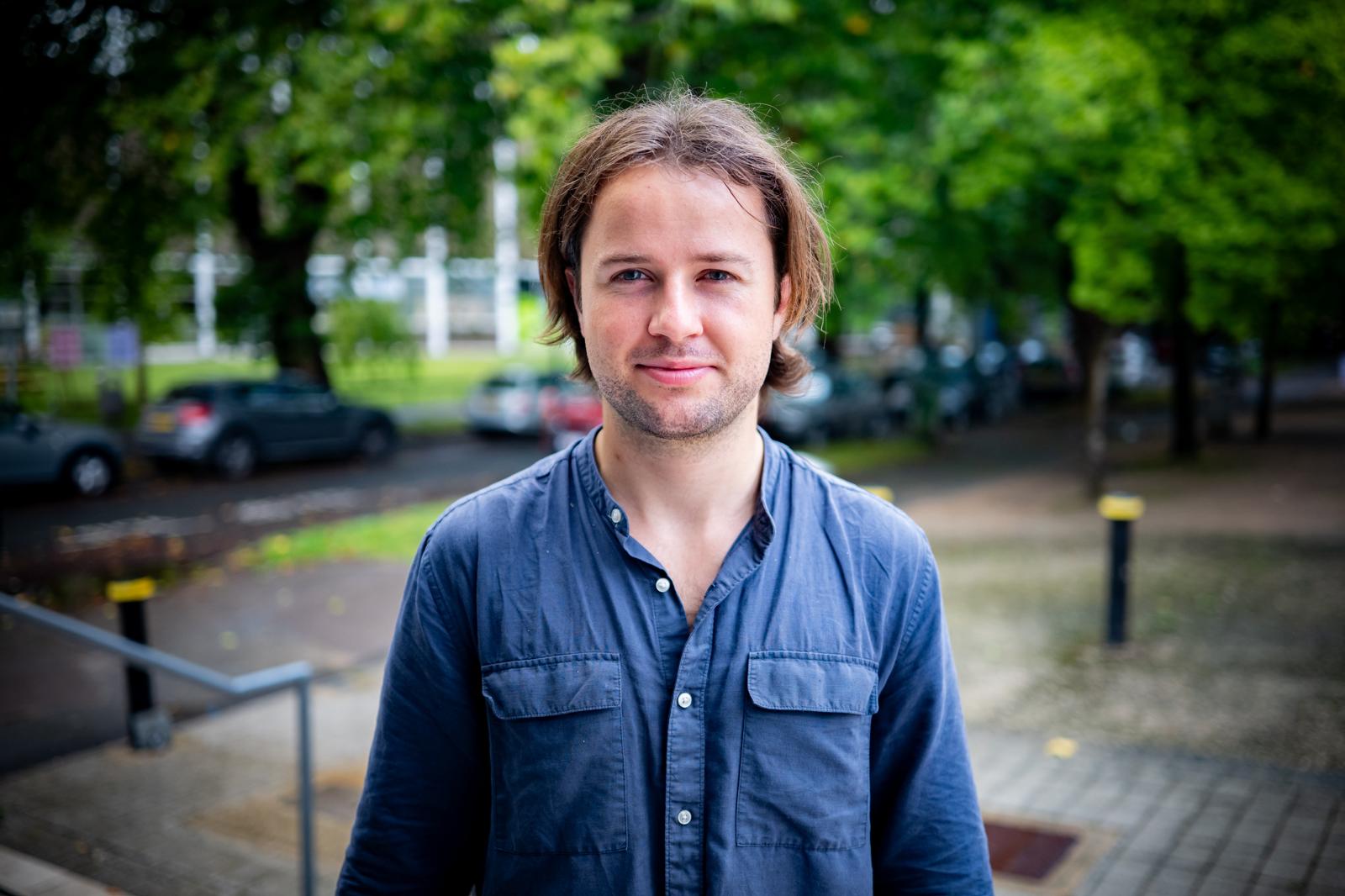
Juri Westendorf
PhD Student
"No place like my home directory"

Luke Green
PhD Student
"Bridging foundation models and clinical relevance in single-cell biology."

Moi Taiga Nicholas
PhD Student
"Cells can be exchanged for goods and services."
About Our Group
We are a dynamic research group at the University of Southampton, dedicated to advancing our understanding of biological systems through innovative computational approaches. Our work combines cutting-edge experimental techniques with state-of-the-art data analysis methods.