
Research Themes
Our research spans multiple areas of computational biology, using deep learning to understand and predict cellular behavior from molecular data.
Our Mission
We develop and apply deep learning approaches to understand biological systems at the molecular level. Our work focuses on using foundation models and machine learning to analyze single-cell data, predict cellular responses to perturbations, and design therapeutic sequences.
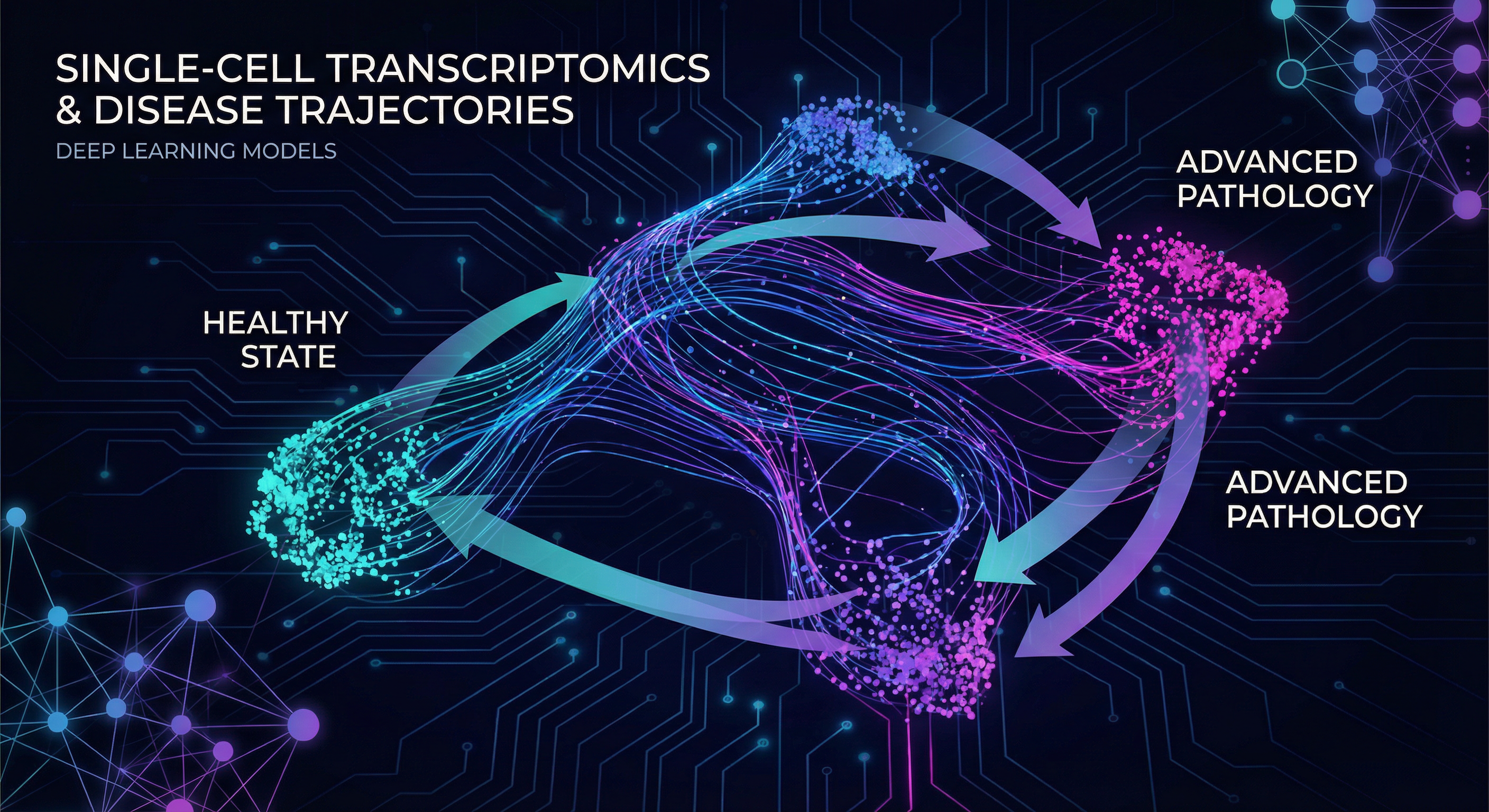
Single-Cell Transcriptomics & Disease Trajectories
Using deep learning to model single-cell gene expression profiles for understanding T cell exhaustion and disease progression.
T Cell Exhaustion & Immunotherapy Understanding T cell exhaustion mechanisms using machine learning to identify novel markers and transcription factors that may reverse exhaustion states. This work aims to improve cancer immunotherapy outcomes by differentiating treatment responders from non-responders in B cell lymphoma and other malignancies.
Disease Trajectories & Cell State Transitions Building generative and interpretable models to explore how cells transition through disease states. By capturing the features that drive cellular diversity, we aim to identify disease-specific trajectories and potential intervention points for reversing pathological cell states.
This research combines cutting-edge single-cell sequencing with foundation models to reveal actionable biological insights.
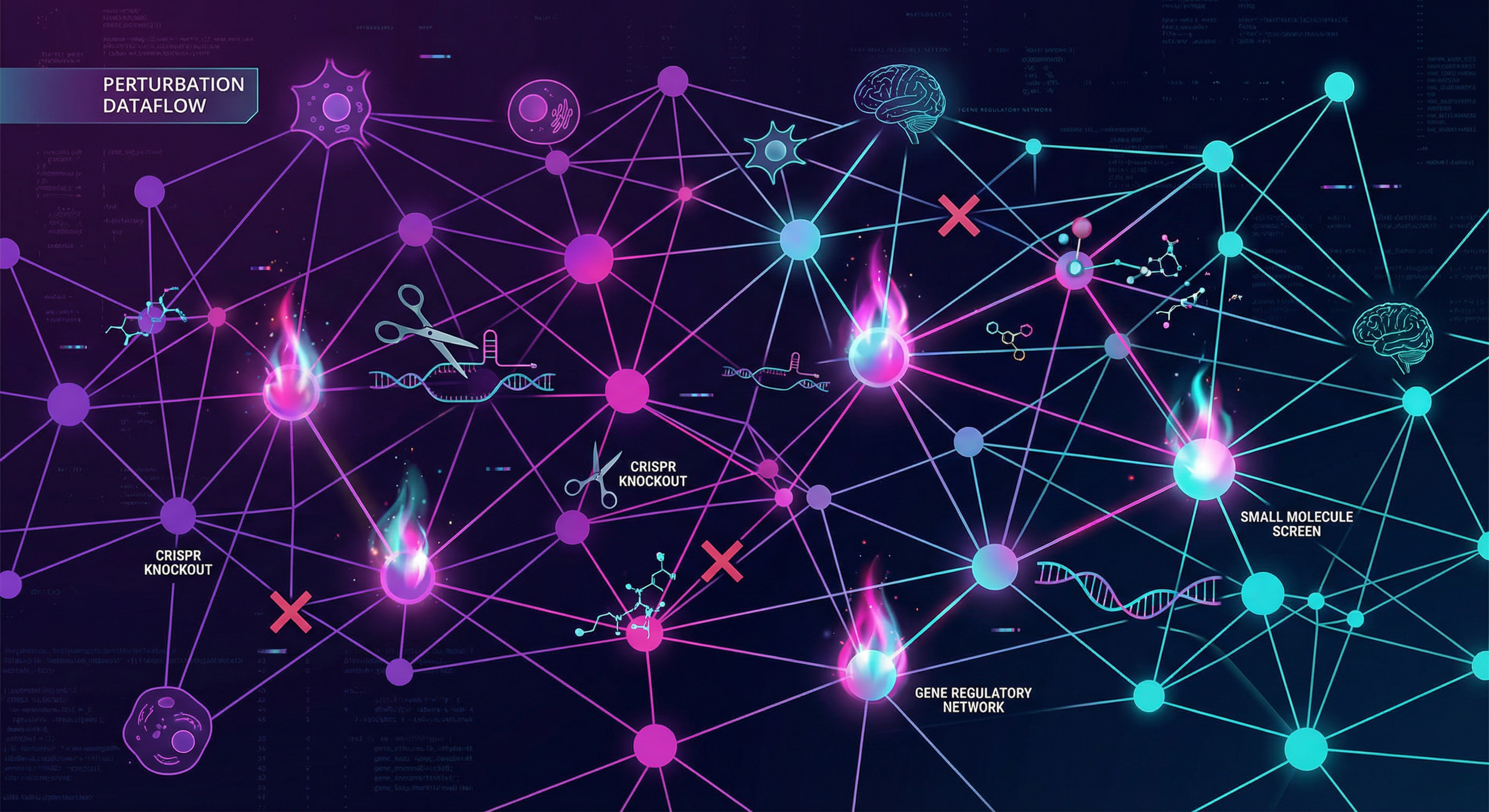
Single-Cell Perturbation Models
Developing and benchmarking foundation models for predicting cellular responses to genetic and chemical perturbations.
Foundation Model Development & Benchmarking Integrating DNA sequence data with single-cell RNA-seq to create models that generalize across cell types and conditions. We emphasize rigorous benchmarking and clinical relevance, evaluating fairness and bias in single-cell foundation models to ensure equitable performance across diverse patient populations.
Multi-Omics Integration Combining transcriptomic, epigenomic, and genomic data to characterize clonal expansion and understand how genetic variation influences cellular phenotypes. Our work connects computational predictions to experimental validation for translational impact.
Applications in Disease Applying perturbation models to cancer biology, rare genetic disorders, and age-related conditions like clonal haematopoiesis to better inform diagnosis and therapeutic strategies.
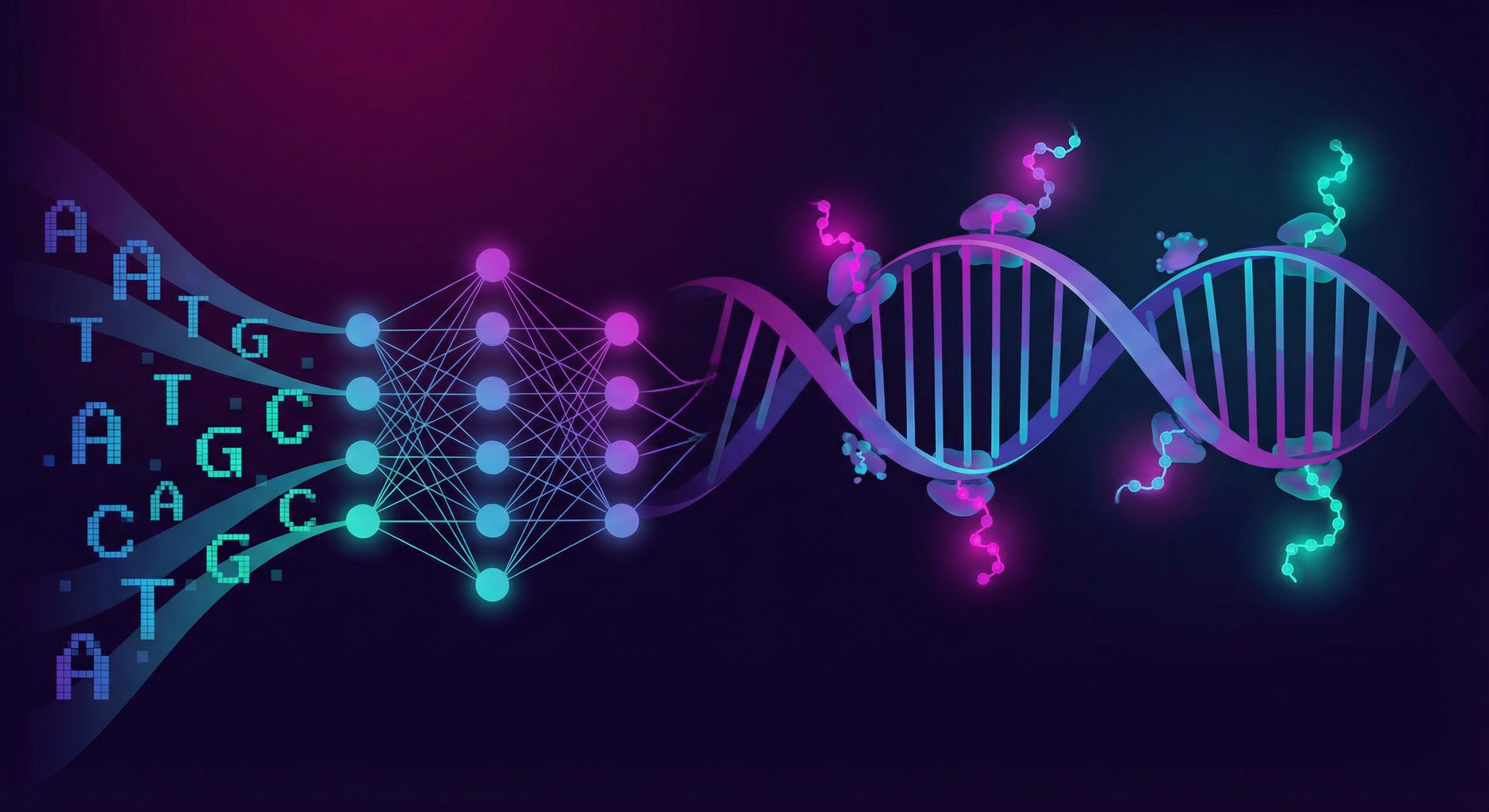
Translational Control & Sequence Models
Using genomic foundation models to identify sequence determinants of translational efficiency for rational mRNA design.
Sequence Determinants of Translation Integrating genomic foundation models like Helix-mRNA and RNA-Genesis with ribosome profiling and RNA sequencing data to predict cell-type-specific translation rates. By identifying sequence features that drive translational efficiency, we aim to understand fundamental mechanisms of gene expression regulation.
Rational mRNA Design Developing deep learning pipelines to design mRNA sequences with controlled translation properties. This has applications in mRNA therapeutics, where optimizing translation efficiency and stability is critical for drug efficacy.
Multi-Modal Integration Combining sequence models with RNA structure predictions and cellular context information to generate mRNA sequences with context-controlled rates of translation. Experimental validation through massively parallel reporter assays ensures our computational predictions translate to biological reality.
Interested in Our Research?
We're always looking for talented researchers to join our group. Whether you're interested in deep learning, single-cell biology, or computational genomics, we'd love to hear from you.